Cooking
How to Use Ghee in Cooking: Smoke Point, Tadka & Tips
Around 250°C (≈482°F) — higher than most refined oils and much higher than butter, making it stable for high-heat cooking.
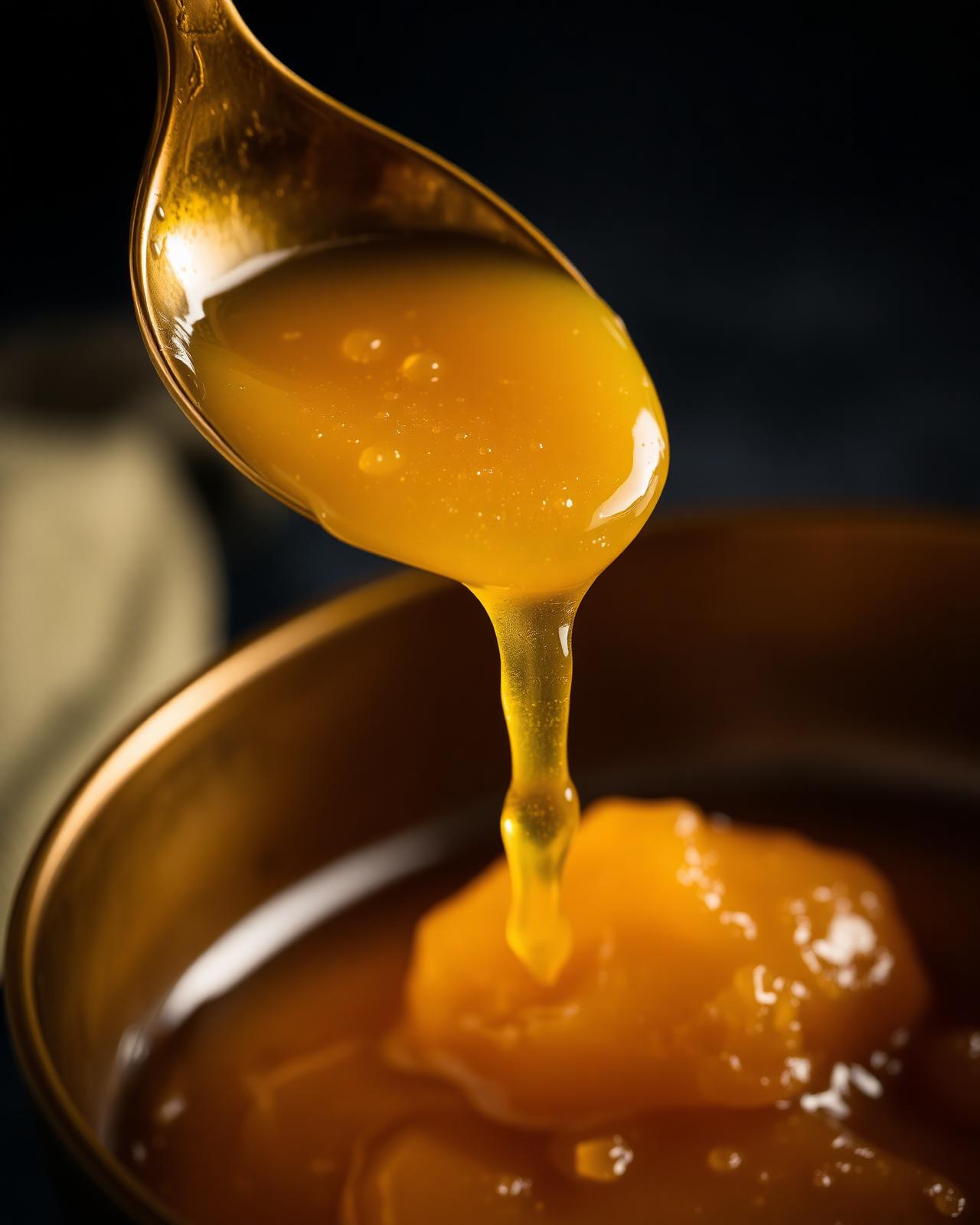
Why cook with ghee
- High smoke point (~250°C) — more stable at heat than most refined oils and far above butter.
- Adds a rich, nutty flavour nothing else matches — perfect for tadka, dals, sweets and rice.
- Choose a rich buffalo ghee made the bilona way for the best taste and stability.
Ghee isn't just a finishing drizzle — it's one of the best all-round cooking fats you can keep in your kitchen, and it's been the backbone of Indian cooking for millennia. Here's how to get the most out of it, from the science of its smoke point to the everyday techniques.
The smoke point: why ghee wins at high heat
A fat's smoke point is the temperature at which it starts to break down and smoke, producing off-flavours and unwanted compounds. Pure ghee has a smoke point of around 250°C (≈482°F) — higher than most refined oils, and much higher than butter (which burns easily because of its milk solids). Since ghee has had those milk solids removed, it stays clean and stable even for frying.
Buffalo ghee sits at the top end of this range, which is one reason it's prized for deep-frying and roasting. More on that in buffalo ghee vs cow ghee.
7 ways to cook with ghee
1. Tadka / tempering
This is ghee's signature move. Heat a spoon of ghee, crackle cumin, mustard seeds, curry leaves, garlic or dried chillies, and pour it over dal, sabzi or curd. The high heat releases the spices' aromas and the ghee carries them beautifully.
2. Sautéing and bhuna
Use ghee to sauté onions, ginger and garlic for curry bases. It browns them evenly and adds depth you won't get from neutral oil.
3. Shallow and deep frying
Puris, parathas, and festive sweets fry crisp and fragrant in ghee thanks to its high smoke point. Keep the heat moderate and the ghee clean between batches.
4. Roasting vegetables
Toss vegetables in melted ghee before roasting for golden edges and a nutty finish.
5. Rice, khichdi and dal
A spoon of ghee stirred into hot rice, khichdi or dal transforms plain food into something nourishing and comforting.
6. Indian sweets (mithai)
Halwa, laddu, and countless mithais depend on ghee for their texture and aroma — machine ghee simply can't match the fragrance of real bilona ghee here.
7. Baking and spreading
Swap butter for ghee in many bakes for a richer flavour, or simply spread it on hot rotis and toast.
Ghee vs refined oil, quickly
| Ghee | Refined oil | |
|---|---|---|
| Smoke point | ~250°C | Varies (often lower) |
| Processing | Minimal, traditional | Often chemically refined |
| Flavour | Rich, nutty | Neutral / none |
| Fat-soluble vitamins | A, D, E, K | Usually stripped |
Ghee is still calorie-dense pure fat, so use it thoughtfully — but as a cooking fat, it's stable, flavourful and traditional. (Curious about ghee and diet? See is ghee good for weight loss.)
Storing ghee properly
- Keep it in a clean, dry glass jar, away from direct sunlight — no refrigeration needed.
- Always use a dry spoon; a drop of water can spoil ghee over time.
- Pure ghee is shelf-stable for months — ours is certified for a 12-month shelf life.
- It naturally turns grainy in winter and liquid in summer — that's a sign of purity, not spoilage.
Frequently asked questions
What is the smoke point of ghee?
Around 250°C (≈482°F) — higher than most refined oils and much higher than butter, making it stable for high-heat cooking.
Can you fry with ghee?
Yes — its high smoke point makes it excellent for shallow and deep frying, plus it adds a nutty flavour.
Is ghee healthier than refined oil?
For high heat, ghee is a stable, minimally-processed fat — a good traditional choice used in sensible amounts.
Cook with real bilona ghee
A2 Farmer Buffalo Bilona Ghee — high smoke point, rich aroma, hand-churned.
Shop Buffalo Ghee →