A2 Ghee
A2 vs A1 Ghee: What's the Difference, and Which Is Better?
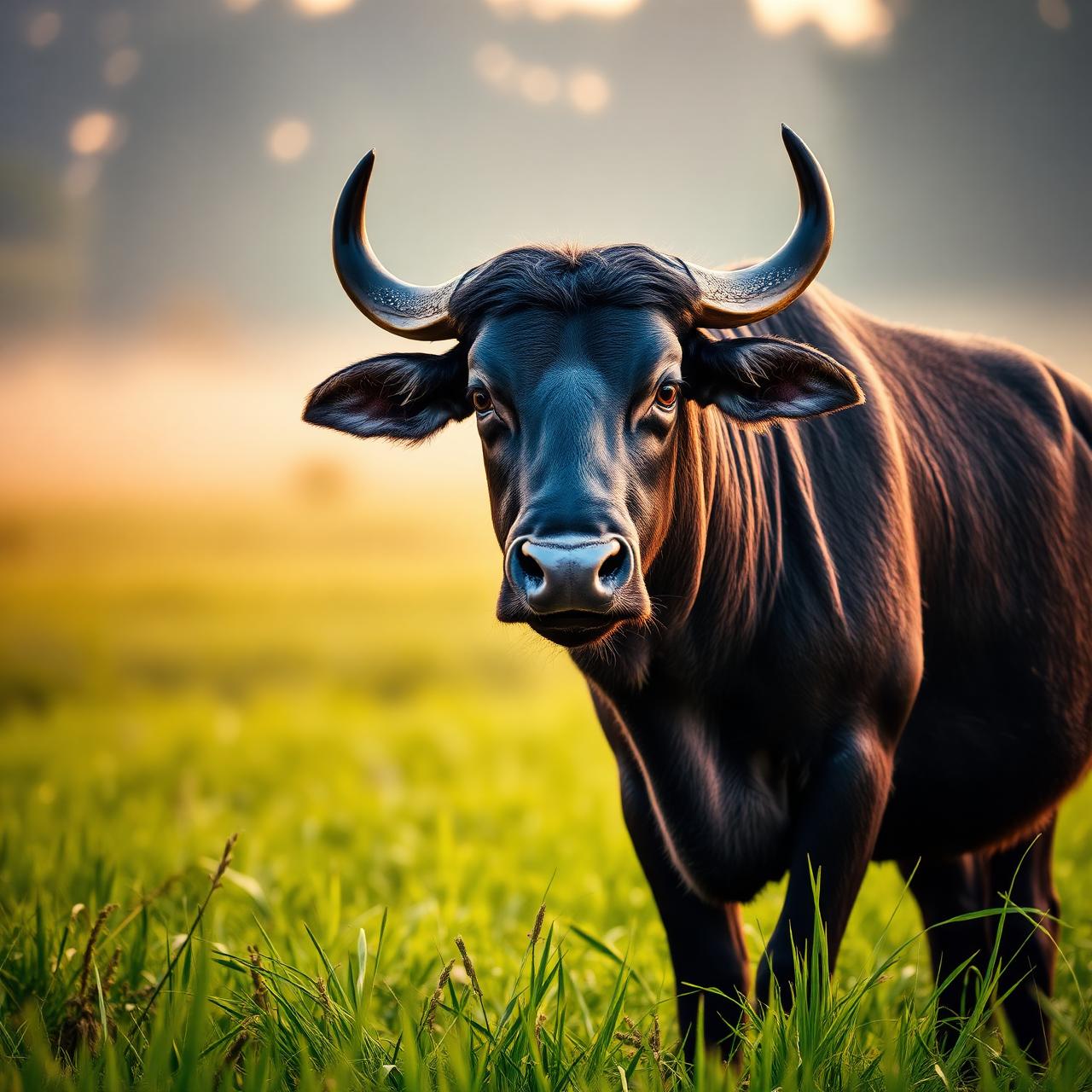
Buffalo milk is naturally A2, so buffalo ghee is A2 ghee. Ours is lab-verified as A2A2 genotype by TaqMan PCR.
The short answer
- A1 and A2 are two versions of a milk protein called beta-casein — not brands.
- Buffalo milk is naturally A2, and so are Indian desi cows. Hybrid exotic cows (Holstein, Jersey) often produce A1.
- In ghee specifically, protein is almost entirely removed — so "A2 ghee" is really about the source animal and milk quality, which is still a very good reason to choose it.
Walk down any ghee aisle today and you'll see "A2" stamped on half the jars. It sounds scientific and premium — but most shoppers have no idea what it actually means. Let's fix that, honestly, without the marketing haze.
What are A1 and A2, really?
Milk contains a protein called beta-casein, and it comes in two main forms: A1 and A2. They differ by a single amino acid at one position in the protein chain — A2 has proline there, while A1 has histidine. That tiny difference changes how the protein breaks down during digestion.
When A1 beta-casein is digested, it can release a fragment called BCM-7 (beta-casomorphin-7). A2 beta-casein does not release BCM-7 in the same way. Some people report that A1 milk feels heavier or causes discomfort, while A2 milk sits easier — though the science here is still developing, and individual experience varies. We won't overclaim: A2 is not a cure for anything. It is simply closer to the milk humans and animals produced for thousands of years, before cattle were bred for sheer volume.
Where does A1 milk come from?
A1 became common through high-yield hybrid and exotic breeds — Holstein-Friesian and Jersey cattle, bred in the West to produce enormous quantities of milk. These breeds frequently carry the A1 gene. As industrial dairy spread, so did A1 milk.
A2 milk, on the other hand, comes from traditional stock: Indian desi cows (Gir, Sahiwal, Red Sindhi) and — importantly — buffaloes.
Is buffalo milk A1 or A2?
This is the part most articles skip. Buffalo milk is naturally A2. Buffaloes carry the A2 form of beta-casein, which is why buffalo ghee has been quietly A2 all along — long before the label existed.
The nuance nobody tells you: does ghee even contain A1 or A2?
Here's the honest bit. Ghee is almost pure milk fat. The process of making ghee removes the milk solids — the proteins and sugars — leaving clarified butterfat. In our own lab report, the protein content of the ghee came out at less than 0.01 g per 100 g. Practically none.
So if you're drinking A2 milk, the protein difference is directly relevant. In A2 ghee, there's barely any casein left at all. Does that mean "A2 ghee" is meaningless? No — and here's why it still matters:
- Source quality. A2 ghee comes from A2 milk, which comes from desi cows and buffaloes — typically raised more traditionally, grass-fed, and not pushed for industrial yield.
- Trust and traceability. A brand that verifies A2 usually cares about the rest too — the breed, the feed, the method, and lab testing for purity.
- The tiny residue. The trace of protein that does remain comes from A2 milk, not A1.
In other words: choose A2 ghee not because ghee is full of protein (it isn't), but because A2 tells you where the milk came from and how the animal was raised.
A2 vs A1 ghee at a glance
| A2 Ghee | A1 Ghee | |
|---|---|---|
| Source animal | Desi cows & buffaloes | Hybrid / exotic cattle |
| Beta-casein in milk | A2 (no BCM-7) | A1 (can release BCM-7) |
| Farming style | Traditional, often grass-fed | Often industrial, high-yield |
| Buffalo ghee? | Naturally A2 | — |
| Protein in the ghee itself | Trace (<0.01 g/100 g) | Trace |
So, which should you buy?
For most people, A2 ghee is the better choice — not because of a dramatic protein difference in the ghee, but because it points to a better source: A2 milk from desi cows or buffaloes, raised the traditional way. If you want the richest option, A2 buffalo ghee is naturally A2 and higher in fat than cow ghee.
Just make sure "A2" is backed by something real — a stated breed, a traditional method like bilona, and ideally a lab report. Anyone can print two characters on a label.
Sources & references
Frequently asked questions
Is buffalo ghee A1 or A2?
Buffalo milk is naturally A2, so buffalo ghee is A2 ghee. Ours is lab-verified as A2A2 genotype by TaqMan PCR.
Does ghee even contain A1 or A2 protein?
Only in trace amounts — ghee is clarified fat, and our lab measured under 0.01 g protein per 100 g. "A2 ghee" mainly tells you the milk came from an A2 source (desi cows or buffaloes).
Which is better, A2 or A1 ghee?
A2 ghee, for most people — it comes from traditionally-raised A2 milk. A1 ghee usually comes from hybrid cattle bred for volume.
What is A1 cow ghee?
A1 cow ghee is ghee made from the milk of cows that produce A1 beta-casein, mostly European breeds such as Holstein Friesian and Jersey and their crossbreeds. Most regular dairy ghee in India comes from such mixed herds.
Taste genuinely A2 ghee
A2 Farmer Buffalo Bilona Ghee — naturally A2, hand-churned, and lab-verified.
Shop A2 Buffalo Ghee →